Tradities & Cultuur
Traditions & Culture
De hartslag van een oud en trots volk
The heartbeat of an ancient and proud people
De hartslag van een oud en trots volk
The heartbeat of an ancient and proud people
Georgische cultuur is geen museumstuk. Het leeft in elke toast aan de feesttafel, in de polyfone zang die opstijgt uit een kerk, in de dans die geschiedenis vertelt en in de warmte waarmee vreemdelingen worden ontvangen. Hier is cultuur geen erfgoed — het is het dagelijks leven.
Georgian culture is not a museum piece. It lives in every toast at the feast table, in the polyphonic singing rising from a church, in the dance that tells history and in the warmth with which strangers are welcomed. Here culture is not heritage — it is daily life.
Georgisch feestmaal
Georgian feast
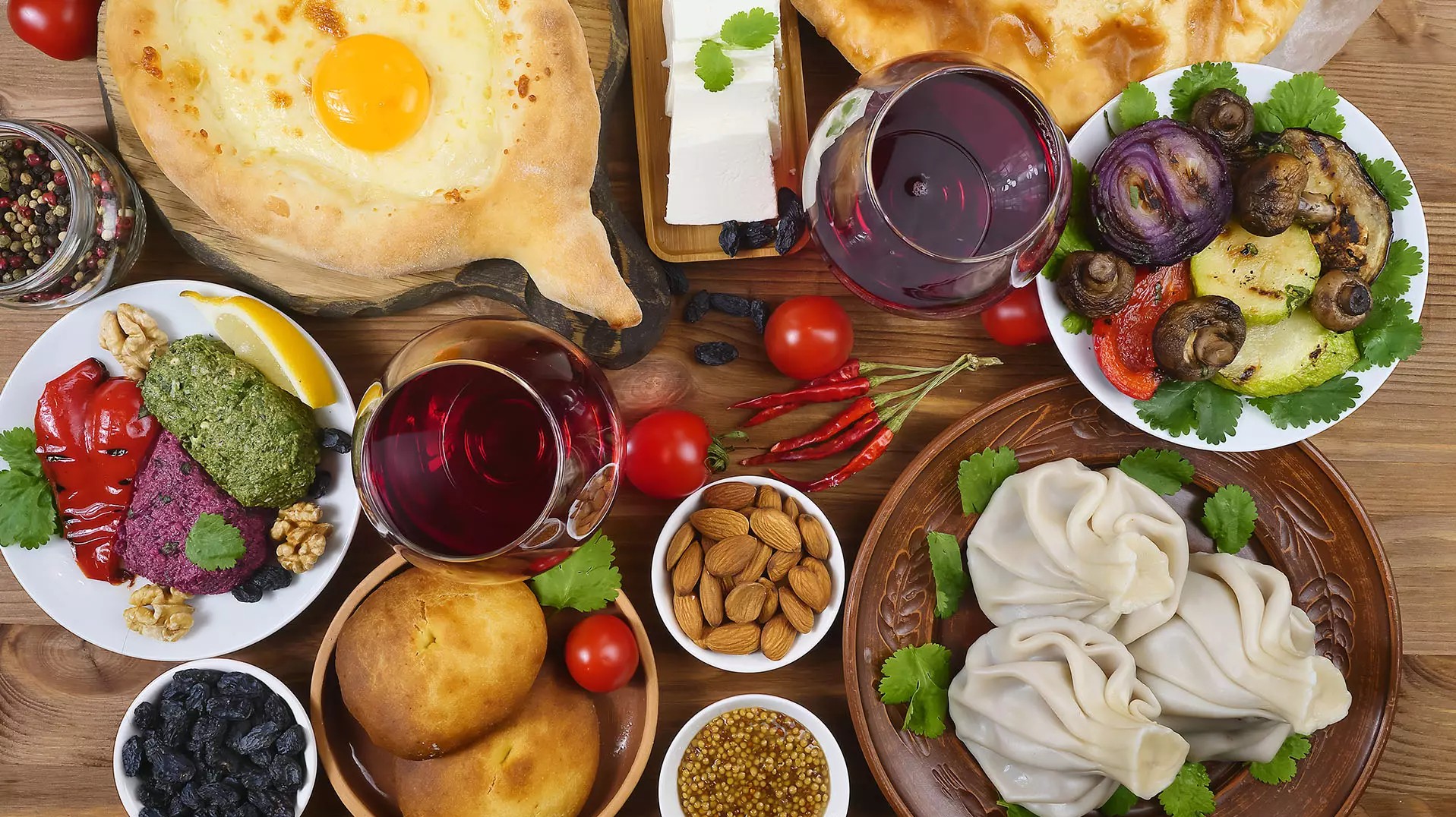
De supra is de kern van de Georgische sociale cultuur. Het woord betekent letterlijk "tafelkleed", maar het staat voor zoveel meer: een ritueel van eenheid, respect en vreugde. Een supra kan uren — soms een hele dag — duren en bestaat uit tientallen kleine en grote gerechten.
The supra is the heart of Georgian social culture. The word literally means "tablecloth", but it stands for so much more: a ritual of unity, respect and joy. A supra can last hours — sometimes an entire day — and consists of dozens of small and large dishes.
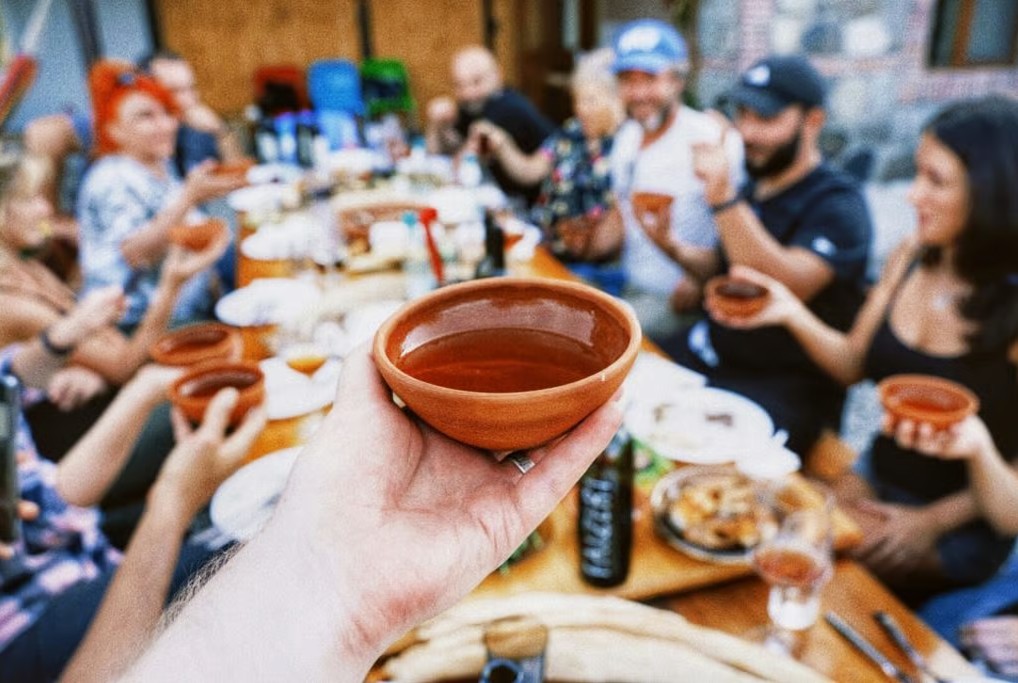
Elke supra heeft een tamada — de tafelmeester. Hij leidt de maaltijd met toasten op de aanwezigen, op Georgië, op vriendschap, op het leven. Toasten zijn geen formaliteit; het zijn kleine redevoeringen, poëtisch en hartelijk. Na elke toast leegt iedereen zijn glas.
Every supra has a tamada — the toastmaster. He leads the meal with toasts to those present, to Georgia, to friendship, to life. Toasts are not formalities; they are small speeches, poetic and heartfelt. After each toast everyone drains their glass.
Immaterieel erfgoed
Intangible heritage
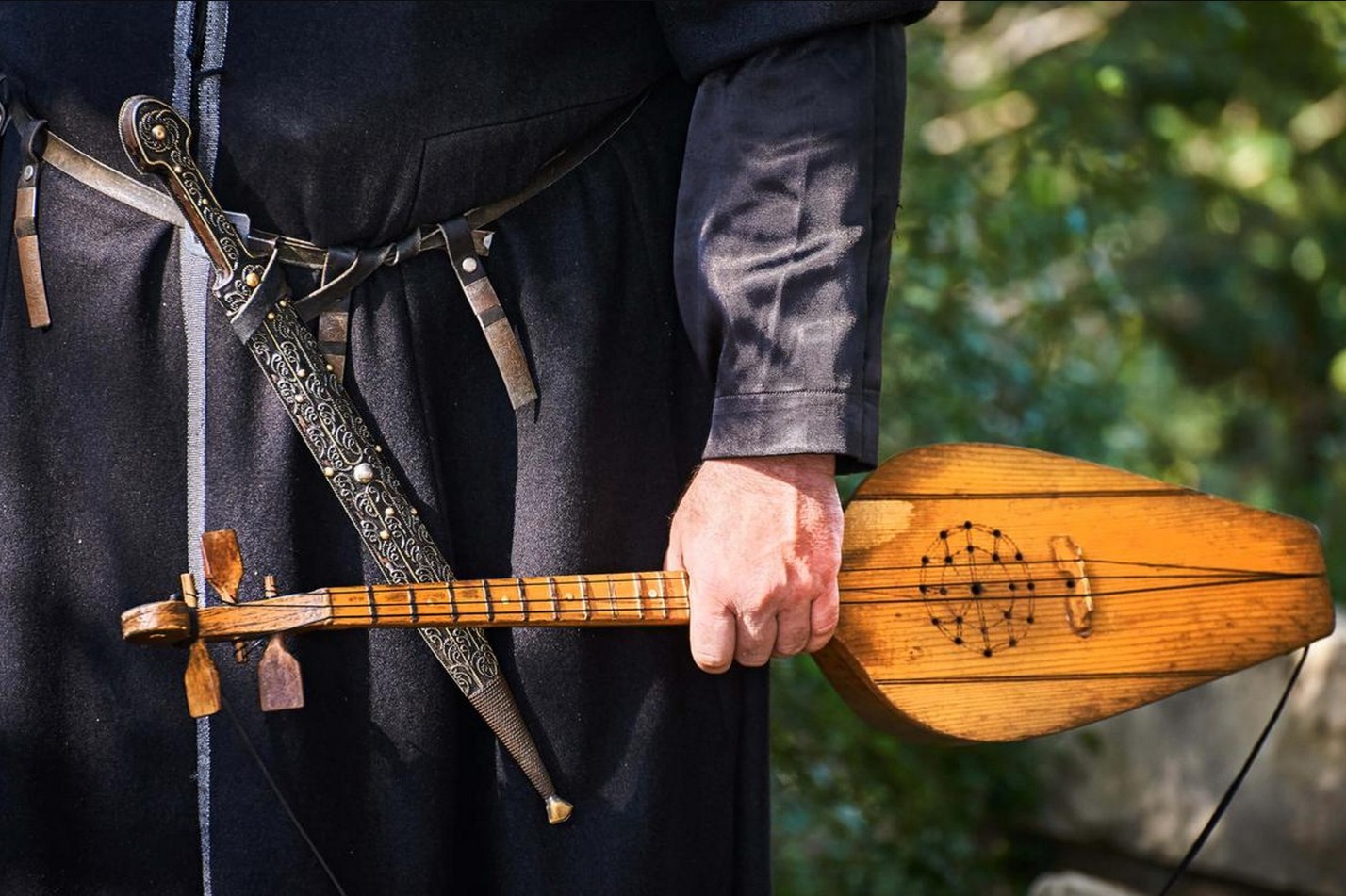
De Georgische polyfone zang is uniek in de wereld. Drie stemmen weven gelijktijdig door elkaar — geen harmonieën in de westerse zin, maar complexe, onafhankelijke melodielijnen die samen iets magisch creëren. In 2001 erkende UNESCO deze zang als Meesterwerk van het Immaterieel Erfgoed van de Mensheid.
Georgian polyphonic singing is unique in the world. Three voices weave simultaneously through each other — not harmonies in the Western sense, but complex, independent melodic lines that together create something magical. In 2001 UNESCO recognised this singing as a Masterpiece of the Intangible Heritage of Humanity.
De Georgische dans weerspiegelt de trots en kracht van het land. De mannen dansen op de toppen van hun tenen — gespierd, beheerst, als soldaten. De vrouwen bewegen als zwanen: sereen en graceus. Samen vertellen ze de geschiedenis van een volk dat altijd heeft overleefd.
Georgian dance reflects the pride and strength of the land. The men dance on the tips of their toes — muscular, controlled, like soldiers. The women move like swans: serene and graceful. Together they tell the story of a people that has always survived.
Geloof en architectuur
Faith and architecture
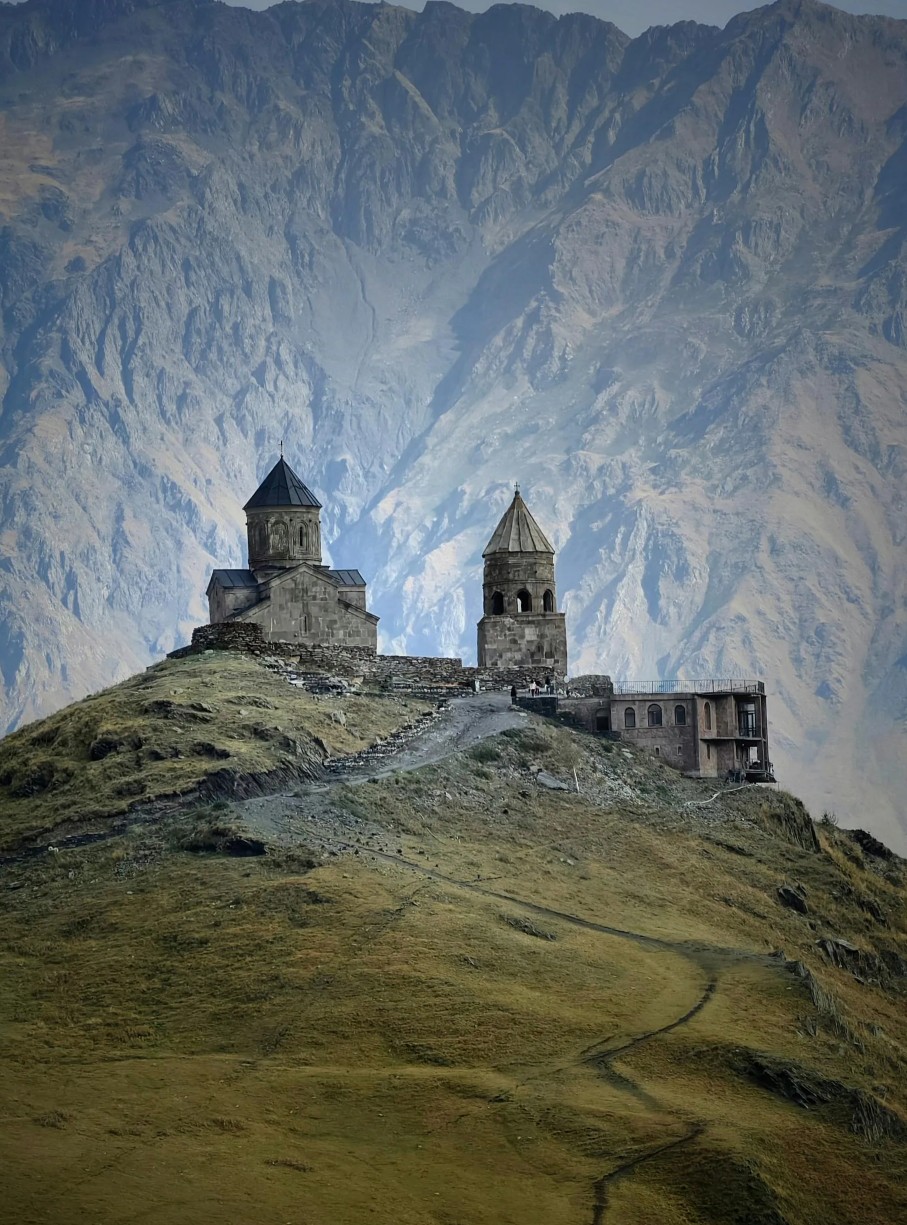
Het Georgisch-Orthodoxe geloof is niet slechts religie — het is de ruggengraat van de nationale identiteit. Sinds 337 na Christus heeft de kerk het Georgische volk door invasies, bezettingen en herstel begeleid. De kerk van Mtskheta, de rotsklooster van Davit Gareja en de Gergeti Trinity Church hoog in de bergen zijn levende symbolen van die band.
The Georgian Orthodox faith is not merely religion — it is the backbone of national identity. Since 337 AD the church has guided the Georgian people through invasions, occupations and recoveries. The church of Mtskheta, the rock monastery of Davit Gareja and the Gergeti Trinity Church high in the mountains are living symbols of that bond.
In elke stad en elk dorp staat een kerk. Op religieuze feestdagen trekt jong en oud naar de kaarsen en het wierooklicht. Het is een sfeer die je raakt — rustig, oud en diep.
In every town and village stands a church. On religious feast days young and old alike move towards the candlelight and incense. The atmosphere touches you — quiet, ancient and profound.
In Georgië is een gast heilig. Het Georgische gezegde "სტუმარი ღვთის მოციქულია" — "een gast is een gezant van God" — is geen spreekwoord, het is een levenswijze. Wanneer je een Georgisch huis binnenstapt, word je behandeld als familie. Je krijgt te eten, te drinken en een warm welkom — ongeacht of je een bekende of een vreemde bent.
In Georgia a guest is sacred. The Georgian saying "სტუმარი ღვთის მოციქულია" — "a guest is an envoy of God" — is not a proverb, it is a way of life. When you step into a Georgian home, you are treated like family. You receive food, drink and a warm welcome — whether you are a known friend or a complete stranger.